
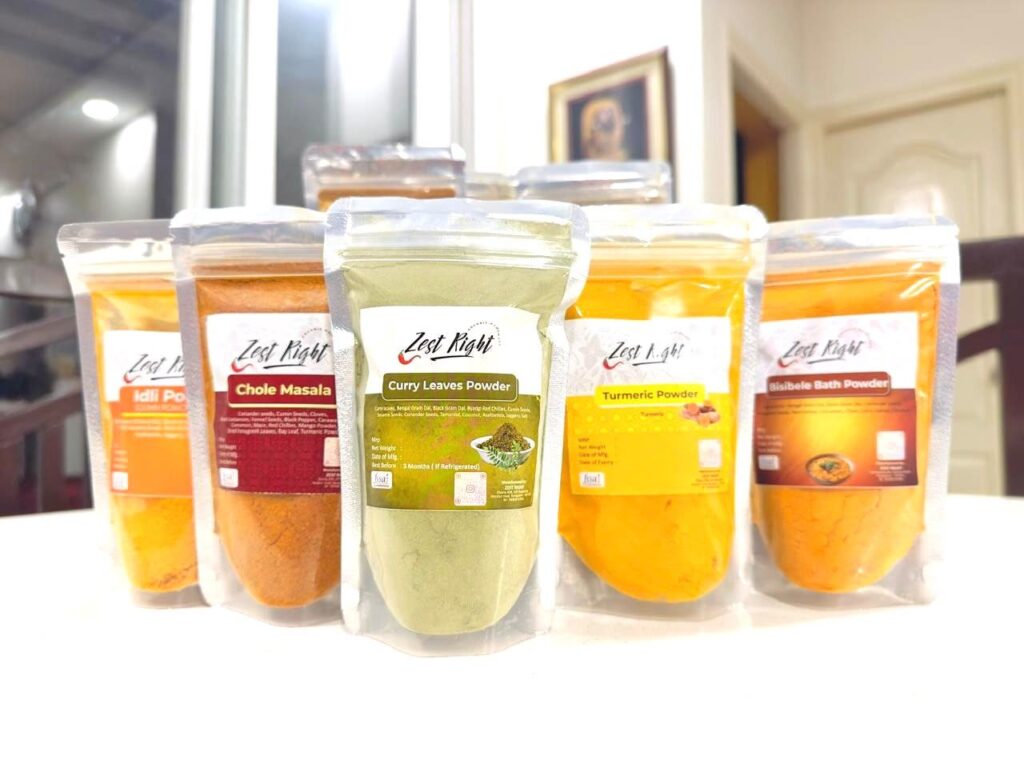
A well-stocked Indian spice shelf can hold twenty jars, and it is easy to end up with several you never touch. This is a plain guide to what each blend is for, so you buy the ones you will actually cook with.
Start with these four
If you are building a shelf from scratch, these cover the majority of everyday Indian cooking.
- Garam masala – the finishing blend. Half to one teaspoon stirred into curries, dals, paneer dishes and gravies near the end of cooking.
- Turmeric powder – goes into almost everything, early, in hot oil.
- Coriander powder – the mild, earthy base of countless gravies. Used in larger quantities than most spices.
- Chilli powder – heat and colour. Worth buying in the right strength rather than compensating with quantity.
Dish-specific blends
Chole masala
For chickpea curry. Darker and tangier than garam masala, usually with amchur or anardana for sourness. Not interchangeable with garam masala – chole tastes flat without it.
Rajma masala
For kidney bean curry. Milder and rounder than chole masala, built to stand up to a long simmer.
Biryani masala
Aromatic rather than hot, heavy on whole-spice character. Used in the layering stage, not sprinkled at the end.
Pav bhaji masala
For Mumbai-style pav bhaji, and genuinely good in tawa pulao, stuffed vegetables and roasted potatoes.
Bisibele bath powder
For the Karnataka rice-and-lentil dish. A single-purpose blend, but if you make bisibele bath you cannot fake it with anything else.
Chaat masala
Never cooked. Sprinkled raw over fruit, salads, chaat, raita and fried snacks. The black salt is the point.
Goda masala
The Maharashtrian sweet-warm blend, quite different from North Indian garam masala. Worth trying if you cook Maharashtrian food.
A rough guide to quantities
- Finishing blends (garam, goda): 1/2 to 1 tsp, added late.
- Dish blends (chole, rajma, biryani, pav bhaji): 1 to 2 tsp, added during cooking.
- Base powders (coriander, turmeric, chilli): as the recipe states, added early.
- Raw finishers (chaat masala): a pinch, at the table.
One caveat worth repeating: blends without fillers are more concentrated than supermarket equivalents, so start below what a recipe suggests and adjust upward.
What you can skip at first
You do not need every blend on day one. Buy the four basics, add dish-specific blends as you cook those dishes, and you will end up with a shelf you actually use rather than one you feel guilty about.